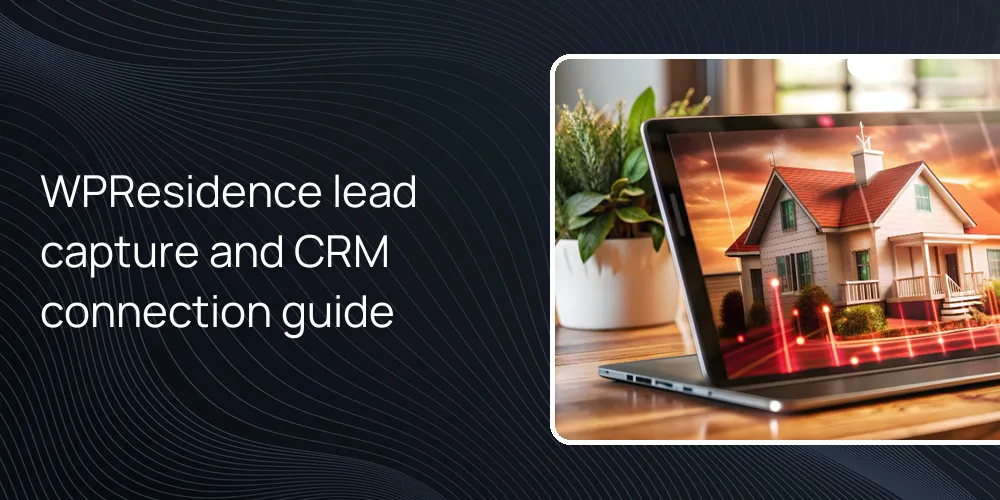
Yes, WPResidence includes built-in lead capture tools like contact forms, property inquiry forms, schedule-a-tour requests, and call-to-action spots. These send leads to email and to an on-site inbox for agents. You can also sync forms into HubSpot CRM or switch to plugin-based forms that connect to other CRMs. You choose whether to keep default forms, use form plugins, or mix both on different pages.
Related YouTube videos:
Contact form builder – With the WPResidence real estate theme, you can easily make your own contact forms to collect leads from visitors.
What built-in lead capture forms does WPResidence include for properties and agents?
The theme includes several built-in inquiry forms that route leads to the right property or agent.
On each property page, the default inquiry form collects the visitor’s name, email, phone, and message. It then emails the assigned agent or agency with full details and the property link. WPResidence also stores that message in the agent’s on-site inbox as backup, so email issues don’t erase leads. You can place this form in the sidebar or below the property, based on layout.
Agent and agency pages each have a contact form that sends questions to that person or office. In a busy office with many agents, this keeps leads from mixing and helps you track who got which message. WPResidence uses the agent’s account email for routing, so you only update the email in their profile.
For buyers who are more ready, you can enable the “Schedule a Tour” form on property pages. It adds a date and time picker next to the main inquiry form and turns a simple question into a visit request. WPResidence records these as normal leads, so agents see them in the same inbox and email flow as other inquiries.
The theme also offers a Contact page template for general messages and an optional quick contact form in the footer. You can set the email target for those forms in theme options, which helps when you want every site-wide question to reach a central office inbox. Agents still get property leads to their own emails.
- The default property contact form gathers buyer details and emails the assigned agent with the exact listing link.
- Agent and agency page forms send leads to each profile email, which supports clear routing in large offices.
- The Schedule a Tour option adds a date picker so visitors can request a viewing time from a listing.
- A Contact page template plus an optional footer form add extra contact points beyond individual properties.
How does WPResidence send leads to my email inbox and manage them on-site?
Leads from theme forms go to email and to an on-site inbox for agents.
Every time a visitor submits a built-in property, agent, or contact form, the theme sends an email within seconds. WPResidence uses the listing agent’s email for property leads and a global admin email for general site forms. You can also define a second oversight email that gets copied on all inquiries for tracking and review.
Inside each agent’s front-end dashboard, there is a “Messages” or “Leads” area with all inquiries for that account. An agent can log in, check leads from the last 24 hours, 7 days, or 30 days, and then reply using their own email client. The message still stays stored on the site. At first this seems like extra work. It isn’t.
In theme options, you can adjust email subjects and sender details like the “from” name and address. WPResidence makes this matter, because using a domain-based sender, like info@yourdomain.com, helps with deliverability. You can also add property ID or city into subjects so inbox rules can sort leads for teams more easily.
Can WPResidence connect lead capture forms directly to my CRM or marketing tools?
Theme forms can send leads straight into a CRM or be replaced with forms that already sync.
Out of the box, you can add your HubSpot API key in CRM settings so all theme forms send leads to HubSpot CRM(Customer Relationship Management). WPResidence pushes data from property, agent, and contact forms into HubSpot as contacts while still sending normal notification emails. That cuts down on manual copy and paste work between systems every day.
If you already use Contact Form 7, Gravity Forms, or WPForms, you can swap default property and contact forms with those. You do this with shortcodes or Elementor widgets. In that setup, the plugin handles the CRM side, sending leads to tools like Salesforce or Zoho through add-ons or automation services. The theme stays focused on layout and visual styling.
WPResidence also works with the official HubSpot WordPress plugin, which lets you add pop-ups, live chat, and extra form types. Some teams follow a simple pattern here. They keep at least one built-in form for on-site inbox tracking and use plugin-based forms on landing pages that feed complex CRM flows. It isn’t perfect, but it keeps setup under control.
| Form type | Default behavior | CRM options |
|---|---|---|
| Property and agent forms | Email plus internal inbox | Native HubSpot sync or plugin CRM links |
| Contact page or footer forms | Email notifications | HubSpot or any CRM via plugins |
| Custom landing or valuation forms | Shortcode or Elementor placement | Advanced form builders with CRM links |
| Pop-up or splash page forms | Theme layout with external form | HubSpot plugin or form CRM add-ons |
The table shows built-in forms already cover email and basic tracking. CRM syncing usually means hooking in HubSpot or your preferred form plugin. WPResidence keeps the setup simple so you can start with email-only leads and add deeper CRM links later.
How customizable are WPResidence lead capture forms and call-to-action sections?
You can control where forms appear, which fields they use, and how calls to action look.
The Elementor contact form builder lets you design custom lead forms with text fields, dropdowns, checkboxes, and more. You can then drop them into any page or widget area. In WPResidence, these custom forms can replace the standard property contact block or work as extra forms on landing pages. You get fine control without writing code.
If you’d rather use only a third-party form plugin, you can hide built-in forms and insert shortcode-based ones instead. The theme respects this choice so you don’t end up with duplicates or broken layouts. WPResidence templates keep clear spots for calls to action in sidebars, content areas, pop-ups, and splash pages, which makes testing new placements fairly quick.
Besides forms, you can add direct call, email, and WhatsApp buttons as visible call-to-action elements. Many teams pair one short form with two or three quick buttons so visitors always see several contact options. The theme keeps these buttons simple to configure in the admin panel, and changing numbers or labels takes very little time.
Does WPResidence capture leads through user accounts, saved searches, and alerts?
The theme turns user accounts into ongoing lead sources with alerts, favorites, and private messages.
Front-end registration and login let visitors create accounts so they can save properties and searches. Once logged in, WPResidence tracks which listings they favorite and which search filters they use. That already shows you some buyer or renter intent. You can also limit certain tools, like favorites, to registered users to push more sign-ups.
Saved searches can send automatic email alerts daily or weekly when new properties match what a user wants. Even a few new matches per week can bring someone back to your site instead of a large portal. WPResidence handles these alerts with its own system, as long as your site runs normal WordPress cron jobs. It’s simple until cron fails, which does happen.
Inside user and agent dashboards, a private messaging system lets logged-in visitors send messages directly to agents. Both sides keep a record of that chat. That setup turns one-time questions into ongoing conversations, because users can log in later and see past messages in one place. Over time, one site can gather many account-based leads if you keep saved searches and favorites visible enough. Honestly, the follow-up work can pile up.
FAQ
Do I need extra plugins to get basic lead capture and email notifications working?
No, the built-in forms are enough for property inquiries, contact requests, and email alerts.
WPResidence includes property, agent, and contact forms that already send emails to the right addresses and log leads. You can take the site live and start collecting inquiries as soon as listings are added, without extra form or CRM plugins. Tools like Contact Form 7 or Gravity Forms stay optional for more complex flows or external systems.
How fast can I start capturing leads after installing the theme?
Most sites can start collecting leads on the same day they set up the theme.
Once WPResidence is installed, you add some properties, assign them to agents, and set your main admin email. The default forms are already active at that point. Often this takes under a few hours if your content is ready. You can adjust email subjects, saved search alerts, or CRM sync later, once you see steady lead flow.
Can I keep using my current CRM and form setup when I switch to WPResidence?
Yes, you can keep your existing CRM and form plugins and place them in the new layouts.
The theme lets you disable or hide default forms and insert shortcode-based forms from tools like Contact Form 7 or Gravity Forms. As long as your current forms already connect to your CRM, that link will keep working in the new design. Many teams mix both, keeping WPResidence forms for simple property inquiries and using older forms on campaign pages.
Does WPResidence offer tools to help with GDPR consent on lead capture forms?
Yes, the theme includes GDPR-friendly options like cookie notices and consent controls.
You can enable a cookie notice bar and add consent text so visitors know what data you collect. For forms, WPResidence works with consent checkboxes or wording you add in the form builder or plugin. Pairing these tools with a clear privacy policy page usually covers what real estate sites need for common GDPR cases.
Related articles
- Can lead capture forms and inquiry forms be easily connected to CRMs like HubSpot, Salesforce, Zoho, or Mailchimp using existing plugins or simple custom code?
- How does WPResidence handle email notifications and communication between buyers, sellers, and agents compared to other portal themes?
- Lead Generation Form