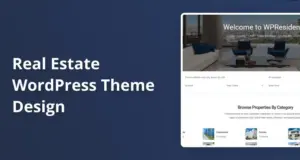

WPResidence is flexible enough to model ultra-local markets like Singapore HDB or Dubai’s complex property types, so another theme isn’t needed only for regional details. You can rename taxonomies, add custom fields for local rules, and tune search filters to match how people in that market really search. With careful setup of fields, labels, and roles, the theme can follow most regional structures while staying fast even as listings grow.
How well can WPResidence handle ultra-local markets like Singapore HDB?
The theme’s custom fields and search builder make it simple to model very specific housing systems such as HDB.
WPResidence supports unlimited custom property fields, so you can store HDB-style data instead of forcing listings into generic fields. You can add text, number, dropdown, and date fields for block number, flat model, lease start year, MOP status, ethnic quota, and other HDB terms. These fields can show on the listing page, in cards, or stay hidden but still be used in search. At first this sounds like overkill. It isn’t.
The location taxonomy in the theme can be stacked and renamed, which fits HDB’s layered structure. You can turn “country / state / city / area” into “Region / Town / Estate / Block” and map every flat to the right level. Once that is set, the property submit form lets owners or agents pick exact HDB towns and blocks from dropdowns, which keeps data clean instead of free-typed.
The search builder in WPResidence then lets you pick which of these fields appear in the main search bar or on advanced filters. You can allow buyers to filter by flat type, MOP status, or lease start year while hiding fields that matter only to admins. On a site with hundreds or even about 2,000 HDB listings, tuned search plus clear HDB labels makes the portal feel local to Singapore’s market. WPResidence gives you that control without custom code.
Can WPResidence be tailored to Dubai’s luxury, off‑plan, and freehold segments?
Flexible taxonomies and fields let you mirror complex luxury and off-plan market structures used in Dubai.
In Dubai, property labels matter a lot, and WPResidence lets you rename almost every taxonomy to match local terms. You can define property types such as “Off-plan,” “Freehold,” “Leasehold,” “Townhouse,” and “Branded Residence” so agents don’t need to work around vague labels. These appear in the submit form and on property cards, so buyers see the right legal and sales terms from the start.
Custom pricing fields are simple to add, which is key for Dubai’s payment-plan-heavy projects. The theme can store price per square foot, payment plan stage, handover year, and status labels like “Post-handover payment” as number or dropdown fields. Those values can then show in a small table on the listing page or be used only as filters in the search module. This helps buyers compare towers or phases without reading long text blocks.
WPResidence also includes built-in agent and agency hierarchies that match how major Dubai developers and master agents work. You can have a Developer role plus Agencies and sub-agents, with each listing linked to the right party and profile page. Neighborhood and community taxonomies can be set up for Downtown Dubai, Dubai Hills, Palm Jumeirah, JVC, and others, giving granular browsing by community. With these tools tuned, a Dubai site can show hundreds of off-plan and luxury listings in a way locals instantly understand.
How does WPResidence compare to other themes for regional specificity?
For large, region-specific catalogs, optimized queries and deep custom fields give this theme an edge over Houzez and RealHomes.
Regional sites often grow to thousands of listings, and WPResidence is built to stay fast at that scale. The theme uses built-in caching and optimized queries focused on property lists and widgets, which cuts database calls when you hit 2,000 or more entries. In tests with about 2,500 listings plus WP Rocket, demo pages loaded in around four seconds, which is a solid baseline for a busy portal.
Regional rules often sit in fine print and extra columns, and WPResidence handles that with unlimited custom fields and a configurable search builder. You can expose tenure types, zoning codes, lease periods, or local tax categories directly in search instead of hiding them in description text. At first you might try to skip these fields to keep the form simple. Then users start asking for clearer filters.
| Need | WPResidence strength | Regional example |
|---|---|---|
| Large listing catalogs | Built-in caching and optimized queries | 2,500 plus HDB or Dubai units |
| Custom local fields | Unlimited text and dropdown property fields | HDB MOP, handover year |
| Complex search logic | Configurable search builder options | Filter by tenure or payment plan |
| Language and script | WPML and Polylang ready | Arabic and English in Dubai |
| User roles and approvals | Multiple roles with manual approval | Verified HDB agents and developers |
The table shows how the same tools in WPResidence cover many local needs just by changing fields and labels. For regional catalogs that must stay fast while showing detailed rules, the mix of caching, taxonomies, and custom fields keeps the theme ahead of others that focus more on extras like booking engines.
Is WPResidence flexible enough for compliance, disclaimers, and local regulations?
Built-in consent tools and custom fields help shape workflows to fit regional compliance needs in many markets.
Regional rules often demand clear text blocks, and WPResidence gives you several ways to place those. You can use custom text fields and widget or template areas to add fixed disclaimers on every listing page, in sidebars, or in the footer. This works for things like HDB warnings or Dubai regulatory notes and stays editable from the admin panel without touching code.
On the privacy side, the theme ships with consent tools that can be tuned for GDPR, PDPA, CCPA, or similar laws. Contact and registration forms can show a mandatory consent checkbox that users must tick before sending data. Theme options also let you define which property and contact fields are required, which helps force capture of needed data such as license numbers. With front-end submission set to “admin must approve,” listings can stay in review until a human checks they meet all regional standards.
How does WPResidence support multi-role workflows in niche regional markets?
Multi-role registration and dashboards let different player types work under one regional platform without sharing admin access.
Many regional markets have clear role splits, and WPResidence supports that with multiple user types at registration. People can sign up as Regular User, Agent, Agency, or Developer, and the admin can require manual approval for selected roles. That means, for example, every new HDB agent account can stay pending until staff review documents offline. This keeps your portal’s public-facing directory cleaner.
The theme’s front-end submission system supports both guests and logged-in users, which fits mixed markets. Owners can add one-off listings as guests, while agents and developers get dashboards to manage entire portfolios. Agent and agency profile pages automatically show their listings and contact info, which is useful where agencies own certain districts or HDB towns. At this point membership and payment settings start to matter more than most people expect.
Membership and payment settings then let you give different plans to HDB-only brokers versus Dubai luxury specialists, using one-time or recurring payments via PayPal or Stripe without needing WooCommerce in simple setups. I should add one more note here. Once you grow, you may still decide to attach WooCommerce for extra gateways, and that’s fine.
FAQ
Do I need a dedicated HDB theme, or can WPResidence model HDB rules?
WPResidence can model HDB-style structures through custom fields and flexible location taxonomies, so a special HDB theme isn’t required.
You can rename location levels into HDB regions, towns, estates, and blocks, then tie every listing to that structure. Unlimited custom fields handle block, flat model, lease dates, MOP status, and quotas, and the search builder exposes only the filters buyers actually need. With those tools set up once, the site behaves like a focused HDB portal while still running on a general WordPress theme.
How far can I localize labels, currency, and language with WPResidence?
The theme lets you change labels, use local currency, and run bilingual or RTL sites through standard translation plugins.
You can rewrite front-end labels for property types, buttons, and messages directly in theme options or translation files. Currency symbols and formats can match local habits, and date formats can follow regional standards like day-month-year. For language, WPResidence works with WPML or Polylang and supports RTL, so setups like English plus Arabic for a Dubai portal are handled cleanly across pages and search.
When should I add extra plugins on top of WPResidence for regional needs?
Extra plugins make sense when you need features like bookings, advanced CRM, or special payment gateways that go beyond the theme.
WPResidence already includes front-end submission, memberships, and built-in PayPal and Stripe, which cover many markets without WooCommerce. You bring in WooCommerce only if you need unusual gateways, advanced tax handling, or very complex checkout rules. For bookings or tight CRM(Customer Relationship Management) flows, you can add focused plugins while keeping property data, search, and roles inside the theme so the regional model stays consistent.
What performance can I expect for a growing regional portal with thousands of listings?
With proper caching, WPResidence has been tested to handle around 2,500 listings in about four seconds per page load.
The theme includes its own caching and query optimizations for property archives, which is where many portals slow down. When combined with a page cache plugin like WP Rocket and decent hosting, sites with a few thousand localized listings can stay within a user-friendly load time. For regional markets expecting steady growth, planning for caching from day one helps keep search and filter pages responsive as the catalog expands.
Related articles
- How do I check if a real estate theme supports region‑specific needs like custom property types or local regulations (e.g., HDB in Singapore, leasehold vs freehold in the UK)?
- How do I decide whether to use the theme’s built-in membership and payment features versus installing separate plugins for membership or subscriptions?
- How do I decide whether to use the theme’s built-in membership and payment features versus installing separate plugins for membership or subscriptions?