
No, you don’t need a stack of plugins or heavy custom code just to reach “big portal” territory with WPResidence instead of another theme. WPResidence already ships with most Zillow or Rightmove style tools built in: advanced search, maps, front end submissions, user dashboards, payments, memberships, saved favorites, and more. You reach for extra tools only when you want very advanced features like custom MLS(Multiple Listing System) imports, polygon map drawing, or deep outside analytics.
What core portal features does WPResidence already cover without extra plugins?
Most portal level listing, search, account, and payment features live inside the theme already.
WPResidence handles core portal tasks from the start, not as an afterthought. You get front end property submissions, user dashboards, favorites, saved searches, compare, and schedule a tour forms with no other plugin. The theme also includes membership and pay per listing billing, featured listing quotas, Stripe and PayPal payments, and optional WooCommerce for extra gateways or complex tax rules.
For listings, the theme supports unlimited custom property types and statuses using its own taxonomies for Category, Listed In, and Status. You can define any structure, like Category “Apartment,” Listed In “Rentals,” and Status “Open House” or “Sold.” WPResidence then shows colored ribbons and labels on cards with no extra code. The advanced search builder plugs these fields into multi select dropdowns, range sliders, and layouts like top bar, sidebar, or sticky forms so users filter fast.
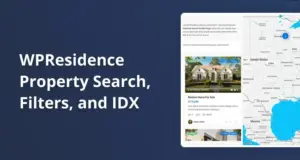
Maps and search are covered too, with Google Maps or OpenStreetMap integration, clustering, custom marker pins, and AJAX search. WPResidence can center the map on one city or handle many cities by how you set locations. For data feeds, you connect services like MLSImport so they push properties into the native WPResidence listing templates. Imported MLS data still uses the same cards, search, and detail layouts you set up, so you don’t redesign just to handle feeds.
Where would a Zillow style build still benefit from add on plugins with this theme?
Only very special features like polygon draw on map, commute time search, or auto value estimates usually need extra tools.
WPResidence is strong on the normal portal stack but it isn’t a full GIS or data lab. If you want users to draw shapes on the map to filter, or filter by drive time from a workplace, you land in custom JavaScript work. In that case, you add a map plugin or a small custom script that talks to the existing WPResidence map and search results.
Auto valuation models, neighborhood statistics, or school rating overlays also sit outside what WPResidence tries to bundle. Those depend on outside APIs and licensed data. You bring in third party services for valuations, demographics, or schools, then show their numbers inside WPResidence templates through custom fields or a small plugin. The theme is fine with this. You use its Elementor templates to drop those fields where you want.
For big MLS aggregation, Rightmove style board syncing, or full RETS import, you rely on IDX or MLS import services, not only the theme. WPResidence lets these services write straight into its custom post type and taxonomies, and listings then act like native ones in search and maps. Deep analytics dashboards for agents and owners work the same way. WPResidence shows basic views and inquiries, but detailed funnels or cohort data come from Google Analytics, a CRM like HubSpot, or a BI stack connected to the site.
| Requirement | Handled by WPResidence | Needs plugin or custom work |
|---|---|---|
| Front end listing search maps | Native listing type advanced search map support | Only for very special map behaviors |
| Draw on map commute filters | Standard radius and location filters | Custom JavaScript or map plugin |
| MLS IDX data feeds | Works with MLSImport and services | External IDX or import setup |
| Automated valuations school data | Template space for custom fields | Outside APIs and integration |
| Advanced analytics dashboards | Basic views and inquiry counts | Analytics CRM or BI integration |
The pattern looks simple at first. It isn’t. WPResidence covers core portal parts itself, and you bolt on services only when you want extra “big portal” perks that need special data, advanced mapping logic, or enterprise analytics. That keeps your base build clean and lets you spend dev time where it actually helps.
Can WPResidence match bigger portals’ monetization and premium listing placement out of the box?
Complex pricing ladders, membership levels, and premium featured placement are handled inside WPResidence through its own packages and upgrades.
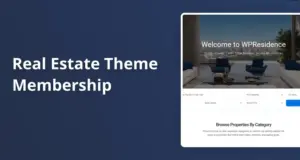
Inside WPResidence you can build full membership stacks without buying another membership plugin. Each package sets how many listings a user can publish, how many can be featured, how long the package lasts, and if it renews on its own. You can also set a free default package, so each new account might get 1 free listing and 0 featured slots before a paywall. The theme’s membership area handles this with a simple screen, not custom PHP.
If you like a transactional model, WPResidence supports pay per listing and pay per feature. You charge a fixed amount per submission and a separate fee to upgrade a listing to featured, and you can still run free tiers beside that. Payments go through built in Stripe and PayPal hooks or through WooCommerce if you want more gateways or detailed invoices. Because WooCommerce stays optional, you only turn it on when you need its control; the theme’s Stripe and PayPal flow is enough for many sites.
Featured listings here have real weight. WPResidence marks them with a Featured ribbon and lets you place featured only sliders, carousels, and grids anywhere, like top of homepage or in a sidebar. The membership logic tracks how many featured slots each user has and only shows Set as featured when they have quota. Listing expiration and renewal emails are built in too. You set a listing lifetime like 30 days, let WPResidence send reminders before expiry, and let users renew from their front end dashboard without you touching admin.
Related YouTube videos:
WpResidence Monetization – Memberships, Per Listing, and Payment Options – WpResidence includes flexible monetization tools so you can charge for property submissions in the way that fits your business.
How close can WPResidence get to Zillow level UX using only built in design and search tools?
Visual builders, flexible search, and built in user tools get the front end experience very close to major portals.
With WPResidence you don’t code templates; you build them. The theme ships with its own Elementor based system so you design property pages, archive grids, headers, and footers visually. Maybe you want a big image hero with price and key facts, plus a sticky side panel for agent contact. You drag those widgets into place in the template builder and hit save. Because templates can link to specific taxonomies, luxury listings or rentals can each use their own designs.
The search experience is just as flexible. WPResidence includes an advanced search form builder where you pick which fields show, in what order, and how they work. Single select, multi select, range slider, text, or keyword. You can set different search layouts for different spots, like a full width hero search on the homepage and a small sidebar search on inner pages. All custom property fields you add can plug into search without writing SQL; they simply appear in the builder.
- You can build property templates in Elementor that look as polished as big portals, including custom sections.
- The search form builder supports multi selects and sliders so users refine results quickly without reloads.
- Different categories like luxury or rentals can use their own card and page templates for extra polish.
- Compare, favorites, saved searches with alerts, and schedule a tour forms are native user tools.
User features land on top of this. WPResidence gives logged in users favorites, comparisons, saved searches, and email alerts when new properties match saved filters. The schedule a tour form uses date and time pickers so users feel they’re booking a real visit instead of sending a loose email. Combined with AJAX search and map clustering, the UI feels close to a large portal, even though you built it using standard theme tools. It’s not magic, just solid defaults.
When does it make more sense to extend WPResidence instead of switching to a different theme?
Extending a modular real estate theme with focused plugins or small custom code is usually easier and safer than re theming.
WPResidence already supports right to left layouts, multi language sites through common plugins, and both single city and multi city setups using its location and map options. If you later add language switches, currency switches, or expand from one city to many, you flip settings or add a translation plugin and keep the stack. You don’t tear out templates or rebuild property logic just because your scope grew.
Now the messy part. The same logic mostly holds for niche pivots, but people ignore that. If you start with rentals only and later want FSBO sales, you probably won’t swap themes. You’ll tweak user roles, visible taxonomies, and form fields inside WPResidence instead. Most portal changes like MLS import, booking widgets, chatbots, or CRM links arrive as normal WordPress plugins that sit on top of the current structure. Sometimes that feels like bloat, and sometimes it is bloat, but the theme lets you disable modules you don’t use, which helps more than people think.
Let me reframe it. You turn off unused pieces in WPResidence, hook in the few extra tools you truly need, and keep URLs, design, and user habits stable. No, it’s not perfect. But swapping themes every time you want one more feature is far worse.
FAQ
Do I have to buy an IDX/MLS plugin before launching a WPResidence portal?
No, you can start with manual or agent submitted listings and add IDX or MLS import later.
WPResidence works well with properties that agents or owners add through the front end dashboard, and search, maps, and templates use that data directly. If you never need an MLS feed, you can run your whole portal on native listings. When or if you want board data, you bolt on a service like MLSImport and let it feed properties into the same WPResidence structures.
How far can I go without any custom code if I’m not trying to copy every experimental big portal feature?
You can cover almost all normal portal features with WPResidence alone using settings and Elementor templates.
Listing types, advanced search, map views, front end submission, memberships, payments, favorites, comparisons, saved searches, and schedule a tour flows are all handled out of the box. You only touch code when you want extras like map polygon drawing, commute time filters, or automated value estimates tied to outside APIs. For most portals, these are nice to have, not launch blockers, so you can get live and earning before you think about custom scripts.
Can WPResidence handle thousands of listings and many agents without collapsing in performance?
Yes, on decent hosting with proper caching, WPResidence can handle thousands of listings and many agents.
The theme uses a custom post type, taxonomies, and clustering on maps so it doesn’t render every pin. On a normal VPS or managed WordPress host with page caching and maybe an object cache, serving several thousand listings and many users is routine. If you push into tens of thousands plus MLS feeds, you tune the server and caching stack, but you still don’t need a new theme just to scale.
What happens if I start on WPResidence and then later want to add new plugins or custom modules?
You can add plugins or light custom modules on top of WPResidence over time without re theming.
Because WPResidence follows standard WordPress patterns and keeps features modular, you can add chat widgets, CRM connectors, analytics, or booking tools as regular plugins. If you need a custom module, you build it as a small plugin that hooks into existing post types and taxonomies instead of replacing templates. Your URLs, layouts, and user flows stay familiar, which is far less risky than switching themes mid growth just to pick up one extra feature.
Related articles
- Does the theme include interactive map search and filtering options that feel modern enough to compete with big portals like Zillow or Realtor.com?
- What specific features do I get with a real estate‑focused WordPress theme that I wouldn’t get with a generic multipurpose theme plus a few plugins?
- Which theme will give me the most complete real estate functionality (advanced search, maps, property cards, saved searches, etc.) out of the box so I can minimize custom coding time?