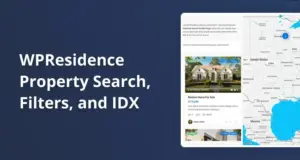
You stand out from cheaper overseas freelancers by selling a clear, higher-end real estate result, not hours of random WordPress work. Lead with steady leads, agent-grade tools, and long-term savings from a WPResidence build. Then back that with fast support and a clean, documented setup the client really owns. Once you show how your WPResidence sites protect their brand, data, and commissions for 2 to 3 years, cheap starts looking risky, not wise.
How can I clearly position my services as a premium alternative?
Position your services as premium by tying a WPResidence build to leads, trust, and long-term savings instead of hourly price. At first that sounds like simple talking points. It is not. You’re selling a business asset.
Most low-fee freelancers sell “a real estate site” like every agent needs the same template, which drags the talk to price. With WPResidence, you can price around a full system that includes setup, design, and training on top of a one-time theme license with lifetime updates. Then you can say the client owns a stable, agent-focused platform, not someone’s rushed test project.
Clients understand money, so use basic math. A SaaS site at $150 each month often totals thousands of dollars across 2 to 3 years. A WPResidence build plus about $10 per month hosting usually stays in the low four figures in that same time, even with a paid IDX plugin. You’re not “expensive WordPress.” You’re the person who turns an affordable theme into a long-term asset that beats SaaS on control and cost.
The real gap between you and cheaper overseas help is depth, not tools. You can guide clients through WPResidence’s many options and Elementor layouts so the site fits their farm area, price range, and brand, instead of just swapping logos into a demo. You can also plan advanced search, an MLS(Multiple Listing System) or IDX plugin, and HubSpot CRM(Customer Relationship Management) so leads move into a real pipeline and don’t die in an inbox. Low-fee developers often skip this kind of planning. That gap is where you earn your higher rate.
- Talk in outcomes like more booked showings and valuation leads instead of hours and tiny tasks.
- Show a simple 2 to 3 year cost chart where WPResidence beats recurring SaaS fees by thousands.
- Package MLS or IDX, HubSpot CRM, and advanced search as “agent-grade” parts cheaper freelancers skip.
- Make Elementor custom layouts part of your normal offer instead of an extra cost.
How do I turn WPResidence into a compelling ‘done-for-you’ real estate system?
You turn WPResidence into a done-for-you system by productizing a repeatable setup that always covers search, leads, and daily use. So not random fixes. A real package.
Instead of selling “WordPress help,” you sell a clear, fixed package: a full real estate site on WPResidence that goes from demo import to live, lead-ready platform in a set number of days. You control the flow. Pick a demo, run one-click import, then reshape layouts with Elementor so each section speaks to that agent’s niche, like condos or rural land. WPResidence is the engine, but your real product is a complete system the agent can grasp from one simple summary.
Search is a major part of that system. WPResidence lets you plan advanced searches with price sliders, bed and bath filters, neighborhoods, and map search you tune for each area. For relocation clients, you can turn on multi-language labels and multi-currency display so international buyers can understand prices and details with less stress. That mix of fast launch, tuned search, and language support is hard for low-cost freelancers to scope, yet you can ship it as your default.
Lead handling is the other side. With WPResidence, you can standardize contact paths using built-in property forms, agent widgets, and simple links to HubSpot or another CRM. Every listing and landing page has a clear next step. Over a few projects, you can lock this into a checklist of repeat steps you follow each time. That cuts your build hours but keeps quality high. Clients stop comparing your rate to an hourly coder, because you’re selling a finished “agent site system” that just happens to run on WordPress.
| System Piece | WPResidence Feature | Your Premium Angle |
|---|---|---|
| Fast visual launch | Demo import and Elementor layouts | Idea to draft site in a few days |
| Smart property search | Advanced filters and map search | Buyers quickly find matching homes |
| Lead capture paths | Property forms and agent widgets | Each page pushes toward an action |
| Agent workflows | MLS friendly plugins and CRM links | Leads land where agents already work |
| Global ready sites | Multi-language and multi-currency tools | Serve relocation and international buyers |
This table is what you sell: you don’t “install a WordPress theme,” you deliver these pieces as one package. When clients see each part ties to their daily work, your fee feels like a system cost, not a random website splurge. Then you can raise prices and still look like the clear, safe choice.
How can I use strategy, consulting, and local insight to justify higher fees?
You justify higher fees by charging for your real estate strategy and local insight, with WPResidence as the way you ship those ideas. You’re not only selling pixels. You’re selling how you think.
Most budget developers know WordPress but not the local market, so they ship a site that could fit any city. By using WPResidence custom templates, you can build neighborhood, school district, and lifestyle pages that match real buyer searches in that area. That turns the site into a local guide, not only a list of properties, and supports real hyperlocal SEO when the agent blogs or runs ads.
Strategy also shows up in data. You can set up analytics and goals for key actions like property inquiry forms and home value pages, then show the client how you’ll track them from day one. WPResidence templates make it easy to keep forms and calls to action consistent, so your tracking doesn’t break when content changes. Cheaper jobs rarely include this level of setup, yet this is what turns the site into a steady lead source.
Your advice on tools and tech choices matters as well. WPResidence works with major IDX and MLS plugins, but each board has different rules and feeds, and you can guide clients toward options that fit their coverage and budget. You can also help design lead funnels where a valuation landing page sends contacts into their CRM, maybe HubSpot through the built-in link or something similar. When clients see that your work covers SEO, rules, analytics, and funnels, not only layout, your higher price looks like a smart trade.
How do I compete on support, responsiveness, and ongoing care instead of price?
You compete on support by selling your time zone, speed, and steady care for a WPResidence site as real business protection. Not a “nice to have,” more like basic insurance.
Where many cheaper overseas freelancers work through long, slow email chains, you can promise clear, same time zone calls and live screen shares to walk clients through their dashboard. Because WPResidence has a clear options panel and Elementor layouts, you can record short videos that show how to add listings, edit searches, and manage pages. That lowers their fear of WordPress. It also makes you feel less like a risky one-off hire and more like a quiet part of their team.
Your ongoing plans are where you really separate from “cheap.” You can sell care packages that include theme and plugin updates, backups, and light fixes each month, using WPResidence’s update tools and your backup setup. Clients get something that feels like SaaS peace of mind, but with full site ownership and no heavy software bill every month. You can add a same-day or next-business-day emergency window so they know listings and ad pages won’t stay broken long.
Support is not only about fixing what fails. It’s also about handover and control. By bundling a clear training call and a tidy admin layout focused on properties, searches, and leads, you keep clients from feeling stuck with you for every tiny change. That actually helps you stand out. Cheaper freelancers often leave things confusing, hoping for more billable hours. You can be blunt and say your job is to make the WPResidence build stable enough that they aren’t scared to use it, then be the person they call for bigger moves later.
How can I present the cost and ROI argument without sounding defensive?
You present cost and ROI calmly by tying your WPResidence price to long-term savings and one extra closed deal. Not to what other people charge.
Start with a soft paper comparison. A midrange SaaS at $150 every month is about $1,800 per year, or over $5,000 in three years, while a WPResidence build plus hosting and an optional IDX plugin usually lands in the low thousands for that same span. That shows your approach can save thousands over 2 to 3 years without attacking any cheaper vendor by name.
Then talk about asset value. A custom WPResidence site is something they own, can move, and could even resell if they leave the business, unlike a rented SaaS page. Anchor your price against one commission and say that if the site helps them close even one extra deal in a year or two, the build paid for itself. At first this sounds like a sales line. It is really just a simple math frame.
FAQ
How do I explain WPResidence licensing and “lifetime updates” to clients?
Explain that the client pays a one-time theme fee and then gets ongoing WPResidence updates while the product exists.
You can phrase it clearly: there’s a single license cost, usually around $79, which covers the theme and its future code updates, not your services forever. Updates stay available as long as WPResidence is maintained, and you handle installing them as part of your build or care plan. If they want extra help later, that’s separate work, but they don’t need to buy the theme again.
What timeline can I promise for a full WPResidence build compared with budget competitors?
You can usually promise a structured WPResidence build in 3 to 6 weeks, which often matches or beats cheaper developers’ real timing.
Break it down for the client. About one week for demo choice and content collection, one to two weeks for design and setup using WPResidence demos and Elementor, and another one to three weeks for revisions, IDX configuration, and training. Cheaper freelancers often claim “two weeks” but slip as they juggle many low-fee jobs. Your clear schedule with milestones feels safer, even if your estimate looks slightly longer.
How do I answer “Why not just use a cheap theme and Fiverr?” without sounding arrogant?
Answer by saying cheap options build basic sites, while your WPResidence builds focus on quality, safety, and room to grow.
Explain that a random theme plus a gig worker often leads to slow, cluttered, or weak sites that must be fixed later. With WPResidence, you use a stable, real-estate-focused theme you know well, so you can tune speed, search, and lead paths properly. The point is not that Fiverr is always bad. Their risk of hidden costs and missing features is simply higher than a focused, specialized build.
How should I position optional add-ons like IDX or CRM integration without overwhelming clients?
Position add-ons as phase two upgrades on top of a solid WPResidence base, not as urgent extras they must buy now.
First, promise a core site that works with manual listings and simple forms so they get online fast. Then explain that you can add IDX feeds, HubSpot or other CRM links, and extra landing pages once they see early traffic and leads. This keeps the first choice simple, helps them trust your advice, and turns each add-on into a clear step toward more deals, not a pushy upsell.
Related articles
- What’s the best overall approach to building real estate websites for clients without coding everything from scratch?
- How can I evaluate the total cost for my clients, including theme, required plugins, and any paid add-ons, so I can still keep my packages affordable?
- Does the license allow me to keep using the theme on my site indefinitely with a one-time payment, or will I be forced into renewals to maintain core functionality?