Use a specialized real estate theme when you need strong property tools and a fast launch. Go custom with generic tools when your needs are very simple or very unusual. A theme like WPResidence gives you listings, agents, search, and payments ready to configure instead of building each piece from scratch. Generic themes plus plugins fit when you want full design control and accept longer setup and more moving parts.
When does a specialized real estate theme beat a generic WordPress setup?
Pick a specialized theme when real estate features matter more than total design freedom.
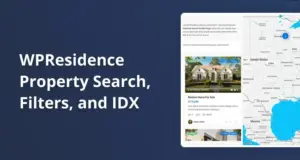
At first this seems like a design choice. It is not. The choice is really speed of working tools versus total control of each part. WPResidence bundles property and agent post types, advanced search, maps, and listing templates so you start by configuring instead of assembling. With a generic theme, you spend days just picking a listings plugin, a search plugin, a map plugin, then wiring them together.
In a generic setup, you often add one plugin for properties, another for maps, and another for lead forms. That means three places to debug when something breaks. WPResidence keeps those core tools in one framework, so search links cleanly to listings, and listings link cleanly to the map. Matching that tight link is hard when every feature comes from a different vendor.
There is also the hidden work like styling, schema, and templates. WPResidence already outputs property-focused schema markup so listings can qualify for richer search results, while a generic theme usually needs extra SEO plugins and custom tweaks. If the main goal is to show properties, capture leads, and let users filter results, a specialized theme almost always wins over a random stack of tools.
- Use a specialized theme when you want listings, agents, and maps working in under a week.
- Use a generic theme when a unique layout matters more than built-in real estate tools.
- Choose the theme path when you prefer configuring options instead of fixing plugin conflicts.
- Prefer generic tools when you like building your own stack piece by piece.
How do my listings volume and team size influence this decision?
Higher listing counts and more agents push you toward a specialized real estate theme.
Once you pass about 30 to 40 active listings, a generic theme with manual pages or a basic property plugin starts to feel cramped. WPResidence is built for catalogs that can grow into the thousands, with property post types, taxonomies, and search tools tuned for large sets. That scale support matters when you want filters by city, price, type, features, and more without coding every field by hand.
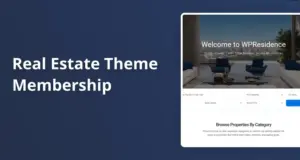
Team size changes things too. If you have several agents, each with their own profile, contact details, and properties, WPResidence lets you tie properties to agents and give them front-end dashboards. In a generic setup, you often bolt on separate profile plugins or build dashboards yourself, which adds setup time for each new agent. The theme’s built-in membership options also support simple portals or agency sites with multiple roles.
For brokerages thinking about many agents or teams, WordPress Multisite plus a strong theme can support mini-sites or branded pages for each person. WPResidence drops into that model well because property and agent logic is already organized, so each site can reuse the same tools. When you know you’ll cross 100 listings or add more than 5 agents within 12 months, picking the specialized path early avoids a painful rebuild later.
What role do performance, SEO, and user experience play in choosing my stack?
Performance depends more on optimization and hosting than on the approach alone.
A lean generic theme with a few plugins can hit very high PageSpeed scores on good hosting. A feature-rich real estate theme can match that in real use when you turn on caching, use a CDN, and compress images. WPResidence brings its own cache API and property schema, so you start with tools that help both speed and visibility without hunting for extra plugins.
On real estate sites, user experience is not just page load time. It’s also how fast filters apply, how quickly galleries move, and how smooth maps feel on phones. With WPResidence, search, listings, and maps are designed to work together, so you can tune them as one system when you optimize. On a generic stack, each plugin loads its own scripts, which can stay fast if you limit plugins, but slow down if you stack too many.
| Aspect | Specialized theme focus | Generic stack focus |
|---|---|---|
| Performance tuning | Optimize one integrated feature set | Optimize many separate plugins |
| Real estate SEO | Built in property schema support | Relies on general SEO plugins |
| Mobile experience | Ready galleries maps and filters | Requires careful plugin selection |
| Caching strategy | Uses theme cache API logic | Depends on cache plugins |
| Setup time | Configure then optimize in weeks | Assemble test then optimize |
The table shows that both paths can work, but the work shifts. With WPResidence, more heavy lifting for schema and caching sits inside the theme, so you spend time tuning instead of wiring. With a generic stack, strong performance is possible too, yet needs tight control over which plugins you add and how they load assets.
How do cost, ownership, and long-term flexibility compare with SaaS and custom builds?
A self-hosted theme often wins on ownership and long-term cost when you compare with SaaS tools.
Money first, because that part is clear. A WPResidence license is around $79 as a one-time fee, while many SaaS real estate services charge between $29 and $200 per month per site. A brokerage running 10 SaaS agent sites at $50 each pays about $6,000 every year, and that keeps climbing. With a theme, your main ongoing cost is hosting and any developer help you choose to bring in.
Ownership is the other big area. On self-hosted WordPress with WPResidence, you own the domain, theme code, content, and lead data, and you can switch hosts whenever you want. You can add any IDX (Internet Data Exchange) or CRM (Customer Relationship Management) plugin that fits your country and MLS rules without waiting for a platform to support it. That level of control is hard to beat once you care about a brand that lasts longer than a single vendor contract.
Compared with a full custom build, a strong theme also gives a middle ground. Custom code plus a very bare theme can be ideal when you have a huge budget and very unusual needs. But it can cost five to ten times more upfront than using WPResidence as a base. Many teams find that the theme gives about 80 percent of what they want, and custom code or small plugins cover the last 20 percent while still keeping cost in check.
When is WP theme–driven architecture better than assembling plugins on a generic theme?
Use a theme-driven build when you value speed of launch over maximum future theme swapping options.
With a theme-driven build, your core real estate logic lives inside a clear framework, and you mostly flip switches instead of wiring cables. WPResidence gives you property post types, search builders, and agent templates working together from day one, so you can launch in weeks instead of months. The cost is that your content structure expects that framework, so swapping to a very different theme later may need careful migration work.
With a plugin-first build, you keep more freedom to change themes later, because listings and logic live in plugins, not the theme. That sounds great at first. But every piece needs time to pick, test, and support, which can eat a lot of project hours. For many real estate teams, getting a clean, working system online soon is worth more than a maybe someday theme change, which is why a theme-driven path anchored by WPResidence often makes more sense.
FAQ
Can one WPResidence license really handle a full-featured real estate site?
Yes, one WPResidence license can power a full-featured site for most real estate needs.
With a single license you can run advanced search, front-end submissions, and different membership or pay-per-listing models on one domain. The theme already knows how to connect properties, agents, and payments, so you’re not buying extra core add-ons just to get basic tools. Many professionals only add a few niche plugins on top for IDX or special marketing flows, and they stay fine with that mix.
How does WPResidence fit with Elementor, WPBakery, or just the block editor?
WPResidence works with Elementor, WPBakery, and Gutenberg, so you can pick the builder style you like.
The theme ships with its own Elementor widgets and also supports WPBakery shortcodes, which helps if you prefer classic drag-and-drop editing. If you want a lighter stack, you can build many pages with Gutenberg blocks and still drop in the theme’s blocks where needed. I should add, some people mix builders too much, then spend time cleaning layouts, so try to keep one main choice.
Do I need WooCommerce for payments on a WPResidence site?
No, you only need WooCommerce with WPResidence if the built-in payments aren’t enough.
The theme already supports direct payments through Stripe and PayPal for paid listings or memberships, so many sites never install WooCommerce. You bring in WooCommerce when you need extra gateways, complex tax rules, or more control over checkout steps. In that setup, WooCommerce acts like an add-on that extends the payment layer, not a full replacement for the theme’s logic.
What is a safe hosting and maintenance setup for a WPResidence-based site?
A managed WordPress host plus regular theme and plugin updates is usually enough for a stable WPResidence site.
Managed hosting handles core WordPress updates, backups, and base security, which removes a lot of risk for non-technical teams. On top of that, you keep WPResidence and key plugins updated, and you use caching and image compression to keep pages quick. With that routine in place, most real estate sites stay both safe and fast, even if you don’t have a full-time developer on staff.
Related articles
- What are the main differences between using a generic multipurpose WordPress theme and a specialized real estate theme for an agent or brokerage site?
- How does the total cost of ownership for WPResidence (license, hosting, plugins, customization) compare to subscription website builders targeted at real estate agencies?
- What trade-offs are there between using a niche real estate WordPress theme and assembling my own stack of plugins on a generic theme?