
Email marketing has emerged as a cornerstone of digital strategy for real estate professionals, offering unparalleled opportunities for lead nurturing, client engagement, and conversion optimization.
Integrating specialized email marketing tools enables automated drip campaigns, audience segmentation, and performance analytics for WordPress-based real estate websites, driving measurable outcomes such as 300% increases in engagement rates and 3,600% returns on investment.
In this article, we examine the technical, strategic, and operational dimensions of configuring email marketing systems within WordPress environments, focusing on plugin selection, workflow automation, and data-driven optimization tailored to the unique demands of the real estate sector.
Strategic Importance of Email Marketing in Real Estate
The migration of 95% of real estate searches to digital platforms has necessitated a shift from traditional outreach methods to automated, personalized communication strategies.
Email drip campaigns address the protracted nature of real estate transactions by delivering timely, relevant content that nurtures leads through extended decision-making cycles.
For example, first-time buyers receiving biweekly emails with mortgage calculators and neighborhood guides demonstrate 40% higher conversion rates than those engaged through generic social media campaigns.
Economic Impact and ROI Metrics
Independent analyses reveal that email marketing generates $36 in revenue for every $1 spent, outperforming paid advertising and direct mail in cost efficiency.
Real estate specific campaigns achieve 20–25% open rates and 2–3% click-through rates, with luxury property segments often exceeding these benchmarks due to hyper-personalized content strategies.
Automated workflows reduce manual labor by 60%, enabling agents to focus on high-value interactions while maintaining consistent touchpoints with prospects.
Essential Tools and Plugins for WordPress Integration
Criteria for Plugin Selection
The effectiveness of a WordPress email marketing system hinges on selecting plugins that align with real estate operational requirements. Key evaluation metrics include:
- Automation Capabilities: Trigger-based workflows for post-open house follow-ups or price-drop alerts.
- CRM Integration: Syncing with customer relationship management systems to track lead interactions and property preferences.
- MLS Data Compatibility: Incorporating multiple listing service feeds to populate emails with real-time property updates.
- Segmentation Tools: Dividing audiences by criteria such as budget ranges, preferred neighborhoods, or transaction history.
Comparative Analysis of Leading Plugins
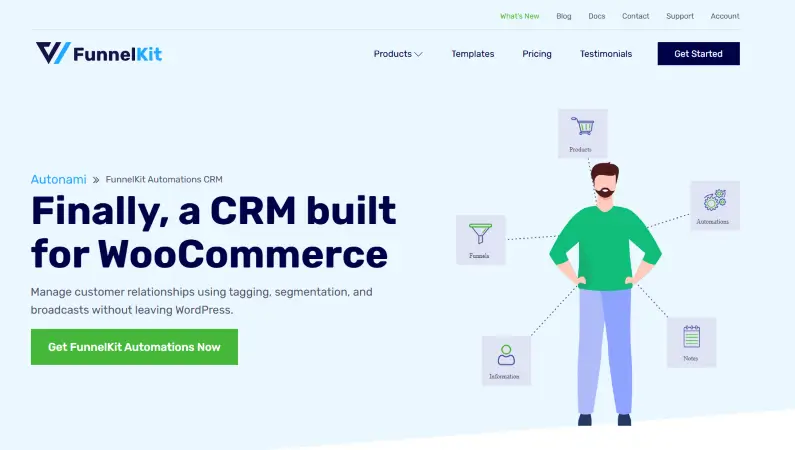
FunnelKit Automations excels in complex workflow design, offering conditional logic to send targeted emails based on user behavior, such as downloading home-buying checklists or clicking on specific property listings.
Its integration with CRMs like HubSpot and Salesforce ensures seamless data flow but requires technical expertise for initial configuration.
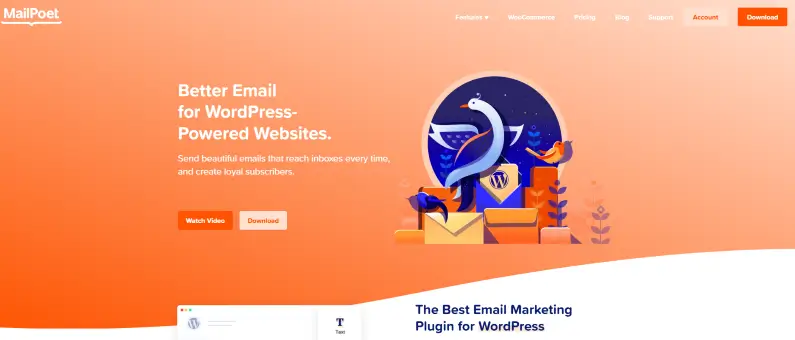
MailPoet provides a user-friendly interface with native WordPress integration, ideal for agents prioritizing simplicity. While its automation features are less advanced, the plugin’s drag-and-drop editor and prebuilt real estate templates accelerate campaign deployment.
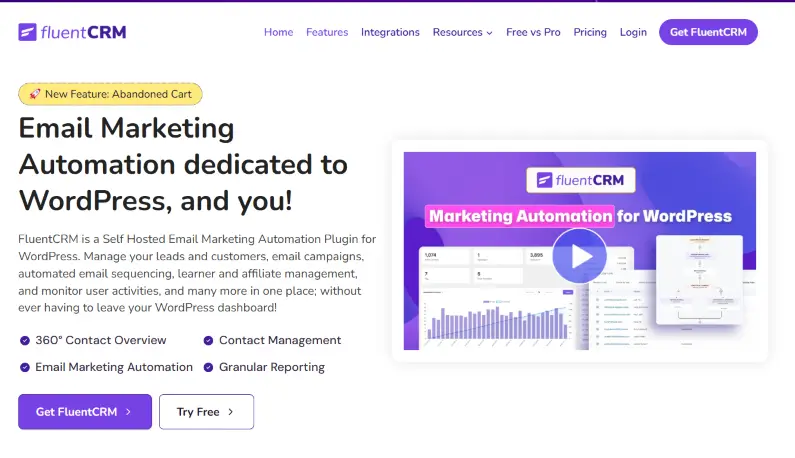
FluentCRM combines email marketing with built-in CRM functionality, enabling agents to manage leads and automate follow-ups within a single platform. Advanced segmentation based on property views or inquiry dates allows for precise targeting, though its learning curve may challenge novice users.
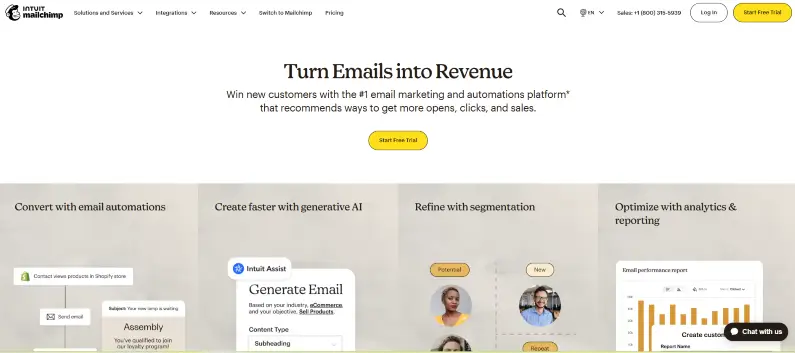
Mailchimp is popular due to its free tier and extensive template library. Real estate specific templates for open house invitations and market reports simplify content creation, while A/B testing tools optimize subject lines and call-to-action placements.
Audience Segmentation and Lead Management
Behavioral and Demographic Segmentation Strategies
Effective segmentation transforms generic email blasts into personalized journeys. Real estate professionals categorize leads using:
- Transaction Intent: First-time buyers receive guides on mortgage pre-approval, while sellers get comparative market analyses.
- Property Preferences: Segmenting by price range, square footage, or architectural style ensures emails highlight relevant listings.
- Engagement History: Leads who attended virtual tours receive follow-ups with 3D walkthrough links, whereas inactive subscribers get re-engagement offers.
Lead Capture and List Building Techniques
Integrating lead capture forms within property directories built via WPResidence Theme converts website visitors into subscribers.
For example, embedding a registration form on virtual tour pages created with WPVR captures leads expressing high intent. Offering downloadable resources like neighborhood safety reports or investment calculators in exchange for email addresses further amplifies list growth.
Designing Effective Email Campaigns
Successful campaigns balance informational value with persuasive storytelling:
- Welcome Series: A 14-day sequence introducing the agent’s expertise, local market trends, and personalized service offerings.
- Market Updates: Quarterly reports on price fluctuations, inventory levels, and zoning changes, positioning the agent as a market authority.
- Automated Property Alerts: Triggered emails notifying buyers of new listings matching their saved criteria, complete with embedded virtual tours.
Personalization and Dynamic Content Integration
Plugins like FluentCRM enable the insertion of dynamic fields such as the recipient’s name, recently viewed properties, and customized mortgage estimates.
For instance, an email stating, “John, the 4-bedroom Colonial you viewed last week is now priced at $589,000,” leverages behavioral data to boost relevance.
Automation and Workflow Optimization
Automation rules tied to user actions ensure timely, context-aware communication:
- Post-Form Submission: Send a home valuation guide immediately after a visitor submits a contact form.
- Price Reduction Alerts: Notifying subscribers when a saved listing’s price drops by 5% or more.
- Inactivity Follow-Ups: Re-engaging dormant leads with a “We miss you” offer after 60 days of non-engagement.
CRM and MLS Data Synergy
Integrating email platforms with MLS feeds via APIs allows agents to auto-populate emails with real-time listing data. For example, a drip campaign for luxury buyers can pull high-resolution images and virtual tours directly from the MLS, reducing manual content updates.
Performance Metrics and Continuous Improvement
Real estate email campaigns are evaluated against:
- Open Rate: 20–25%, indicating subject line effectiveness.
- Click-Through Rate (CTR): 2–3%, reflecting content relevance and CTA placement.
- Conversion Rate: 1–5%, measuring lead-to-client transformation.
A/B Testing and Iterative Refinement
Testing variables like subject lines (“Open Saturday: 3-Bedroom Tudor” vs. “Your Dream Home Just Listed”) identify high-performing messaging. Similarly, comparing CTA designs—such as button color or phrasing (“Schedule Tour” vs. “Request Private Showing”)—optimizes user action rates.
Legal Compliance and Ethical Considerations
GDPR and CAN-SPAM Adherence
Real estate marketers must include unsubscribe links, physical mailing addresses, and clear sender identification in all emails. Plugins like MailPoet automate compliance by embedding required elements into templates and managing consent records.
Integrating email marketing systems into WordPress real estate websites represents a transformative opportunity to automate lead nurturing, deliver hyper-personalized content, and quantify campaign efficacy.
By selecting plugins aligned with operational needs—such as FunnelKit for advanced automation or Mailchimp for template-driven simplicity—agents can achieve scalable growth while maintaining authentic client relationships.
Continuous optimization through A/B testing and MLS data integration ensures campaigns evolve alongside market dynamics, securing long-term competitive advantage in an increasingly digital marketplace.
“The best strategy is to deliver value without being pushy. Drip campaigns thrive on relevance, not frequency.” – Bernard Meyer, Omnisen.
FAQ
Which email marketing plugin should I choose for a real estate WordPress site?
Choose based on how complex your automation and lead management needs are. FunnelKit Automations is best when you need advanced, conditional workflows driven by user behavior (for example, sending different follow-ups after a visitor downloads a home-buying checklist vs. clicks a specific listing) and you want tight CRM integrations such as HubSpot or Salesforce, but it typically requires more technical setup.
If you want the simplest native WordPress experience, MailPoet is positioned as a user-friendly option with a drag-and-drop editor and prebuilt real estate templates, though its automation depth is more limited. If you want email marketing plus built-in CRM in one place, FluentCRM supports advanced segmentation (such as targeting by property views or inquiry dates) but can be harder for beginners. Mailchimp is a common choice when you want broad template availability, A/B testing, and a free tier, including real estate templates for open houses and market reports.
How should I segment my real estate email list to increase relevance and conversions?
Segment around intent, preferences, and engagement history so subscribers receive listings and content that match what they are actually trying to do. Common intent segments include first-time buyers (mortgage pre-approval and buyer education) versus sellers (comparative market analyses). Preference-based segments typically use criteria such as budget range, neighborhood, square footage, or architectural style so your emails feature relevant properties.
Also segment by engagement behavior: follow up with virtual-tour attendees using 3D walkthrough links, and treat inactive subscribers differently using re-engagement messages. This approach turns generic blasts into personalized journeys and is specifically aligned with long decision cycles in real estate.
What are practical ways to capture leads from a WPResidence real estate site for email marketing?
Use lead capture forms directly inside high-intent pages, especially property directories and virtual tour pages. The article highlights integrating lead capture forms within property directories built via the WPResidence Theme to convert visitors into subscribers.
A strong tactic is to embed a registration form on virtual tour pages created with WPVR, because those visitors are signaling high interest. You can also offer downloadable resources (for example, neighborhood safety reports or investment calculators) in exchange for an email address to accelerate list growth while ensuring subscribers opt in for something valuable.
Which automated email workflows work best for real estate, and what should trigger them?
The most effective workflows are tied to concrete user actions and real estate events so the timing feels helpful rather than random. Common triggers include sending an immediate resource after a form submission (for example, a home valuation guide right after someone completes a contact form), and sending price reduction alerts when a saved listing drops by 5% or more.
You can also use inactivity follow-ups to re-engage dormant leads, such as sending a “We miss you” message after 60 days of non-engagement. For ongoing nurturing, drip campaigns support the long buying cycle by delivering timely content over time, and automated property alerts can notify buyers when new listings match saved criteria, including embedded virtual tours.
What metrics should I track for real estate email campaigns, and how do I improve them?
Track open rate, click-through rate (CTR), and conversion rate as your core performance indicators. The article cites typical real estate benchmarks of 20-25% open rates, 2-3% CTR, and 1-5% conversion rates for lead-to-client transformation, which you can use as a baseline for evaluating performance.
To improve results, run A/B tests on variables that directly influence engagement, such as subject lines and calls to action. For example, compare different subject line angles (an event-based open house subject versus a lifestyle-driven “dream home” subject), and test CTA presentation such as button phrasing (“Schedule Tour” vs. “Request Private Showing”). Iterative testing helps you systematically refine messaging and design based on data rather than assumptions.