Unlock the Power of Funnels in Real Estate Automation
Have you ever felt overwhelmed by the sheer number of tools and platforms you need to manage your real estate business? From websites to CRM systems, the list seems endless. But what if there was a way to streamline everything into one cohesive system? That’s where funnels come into play. As a real estate agent, you’ve likely heard of sales funnels, client funnels, and ClickFunnels. These aren’t just buzzwords; they can be the key to automating your entire business process.
Understanding Funnels: More Than Just Buzzwords
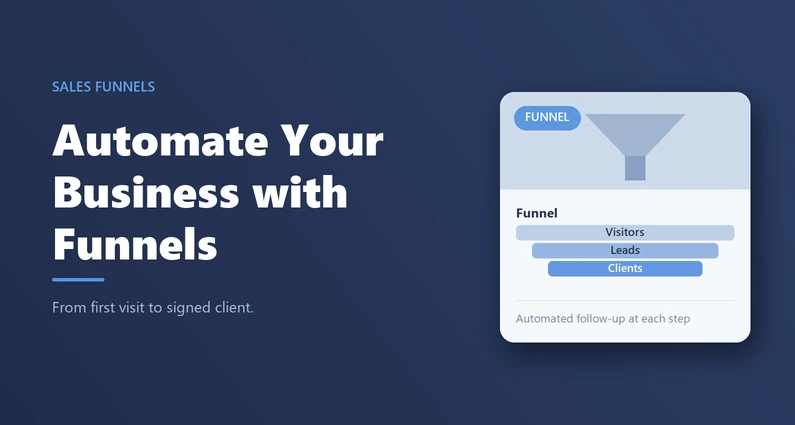
Funnels are essentially a series of web pages that guide potential clients through various stages, from initial contact to final transaction. Think of them as a workflow that captures leads, nurtures them, and converts them into clients. Unlike traditional websites that scatter information across multiple pages, funnels are designed to lead users through a specific journey.
Why Traditional Systems Fall Short
Many real estate agents use multiple systems that don’t communicate well with each other. You might have a website provided by your broker, an IDX site for property listings, and various third-party tools for client management. This fragmentation can lead to inefficiencies and missed opportunities. A unified funnel system can integrate all these elements, creating a seamless experience for both you and your clients.
Step-by-Step Guide: Capturing Leads
The first step in any funnel is capturing leads. This can be done through various methods such as downloadable guides, contact forms, or even chat widgets on your website. The key is to offer something valuable that encourages visitors to provide their contact information. For example, you could offer a free e-book on home buying tips or a market analysis report.
Nurturing Leads with Automated Workflows
Once you’ve captured a lead, the next step is nurturing them until they are ready to become clients. Automated workflows can help you stay engaged with potential clients without manual intervention. These workflows can include email sequences that provide useful information, reminders for upcoming meetings, or even video tutorials on the home buying process.
The Client Onboarding Funnel
After nurturing your leads, it’s time to onboard them as clients. This stage involves gathering detailed information through intake forms and scheduling consultations. You can also send pre-recorded videos that explain the buying or selling process, saving you time during initial meetings. By automating these steps, you ensure a consistent experience for all your clients.
Closing the Deal Efficiently
The final stage of the funnel is closing the deal. Automated systems can help you manage this process by sending timely reminders for document submissions or follow-up meetings. You can also set triggers for collecting testimonials at optimal moments during the transaction. For instance, ask for reviews right after an offer is accepted when emotions are high and clients are most satisfied.
Driving Traffic to Your Funnel
A funnel won’t generate leads on its own; it needs traffic. Various strategies can drive traffic to your funnel pages, including paid ads, social media campaigns, YouTube videos, and organic SEO efforts. Creating community-specific blog posts and landing pages can attract local traffic interested in buying or selling properties in your area.
Integrating Funnels with Your Website
Your website should not just be an online brochure; it should be an integral part of your funnel system. Each page on your site should have a specific purpose and call-to-action designed to move visitors further down the funnel. For example, a buyer’s page could include downloadable guides on financing options and links to schedule consultations.
Case Study: Successful Funnel Implementation
Consider Jane Doe, a real estate agent who struggled with lead management due to fragmented systems. After integrating a unified funnel system into her website, she saw a 30% increase in qualified leads within three months. Her automated workflows ensured timely follow-ups and personalized communication, significantly improving her conversion rates.
The Role of CRM in Funnel Automation
A CRM system is essential for managing your funnel efficiently. It helps track interactions with potential clients and automates follow-up tasks based on predefined triggers. For instance, if a lead downloads a guide but doesn’t schedule a consultation within a week, an automated email can be sent reminding them of this next step.
Common Pitfalls and How to Avoid Them
One common mistake is relying solely on funnels without driving sufficient traffic to them. Another is failing to personalize communication within the funnel stages. Always segment your audience based on their behavior and preferences to ensure relevant messaging.
The Future of Real Estate Funnels
The landscape of real estate marketing is evolving rapidly. As technology advances, so do the capabilities of funnel systems. Future trends may include AI-driven personalization and advanced analytics that provide deeper insights into client behavior.
Your Next Steps: Getting Started with Funnels
If you’re ready to automate your real estate business using funnels, start by mapping out your client’s journey from lead capture to closing the deal. Identify areas where automation can save you time and improve efficiency. If you need help setting up your system, consider consulting with experts who specialize in real estate marketing automation.
In conclusion, automating your real estate business with funnels can streamline your operations and enhance client satisfaction. By integrating lead capture, nurturing workflows, and efficient onboarding processes into one unified system, you’ll be well-equipped to handle more clients without sacrificing quality service.
FAQ
What is a funnel in real estate, and how is it different from a traditional website?
A real estate funnel is a series of web pages designed to guide a visitor through a specific journey, from first contact to becoming a client. Instead of letting people browse aimlessly, each step is built to capture a lead, nurture them with relevant information, and move them toward a clear next action.
This differs from a traditional website that often spreads information across many pages without a defined sequence. In a funnel-based approach, every page has a purpose and a call-to-action that intentionally advances the prospect to the next stage.
What are practical ways to capture leads at the top of a real estate funnel?
You can capture leads by offering something valuable in exchange for contact information. Common examples include downloadable guides (such as a home-buying tips e-book), market analysis reports, contact forms, and chat widgets.
The key is to make the offer closely match what the visitor is trying to accomplish so they are motivated to opt in. Once they submit their details, they enter the next stage of your funnel where follow-up can be automated.
How do automated workflows nurture leads without constant manual follow-up?
Automated workflows keep prospects engaged by delivering timely, relevant touchpoints based on where they are in the journey. This can include email sequences with useful education, reminders for upcoming meetings, or video tutorials that explain parts of the buying or selling process.
Because the messaging is pre-built and triggered automatically, you maintain consistent follow-up without having to manually send every email or reminder, while still moving leads toward a consultation and client onboarding.
What does a client onboarding funnel typically include for buyers or sellers?
A client onboarding funnel typically collects the information you need to serve the client and prepares them for the process. Common elements include intake forms to gather details and a way to schedule consultations.
You can also send pre-recorded videos that explain the buying or selling process before the first meeting. This saves time, creates consistency, and helps clients arrive better informed.
What are common funnel mistakes real estate agents should avoid?
One frequent mistake is building funnels but not driving enough traffic to them. Funnels need consistent visibility through channels such as paid ads, social media, YouTube, organic SEO, and local community-specific blog posts and landing pages.
Another common issue is failing to personalize communication. Segmenting your audience based on behavior and preferences helps ensure your emails and next-step prompts stay relevant and improve conversion.